Social Skills Training Using Virtual Reality in High Functioning Autism Spectrum Disorder: A Systematic Review
SR on Social skills training using VR in HFASD
Vol. 20 No. 2 : 2025 (493-509)

Abstract
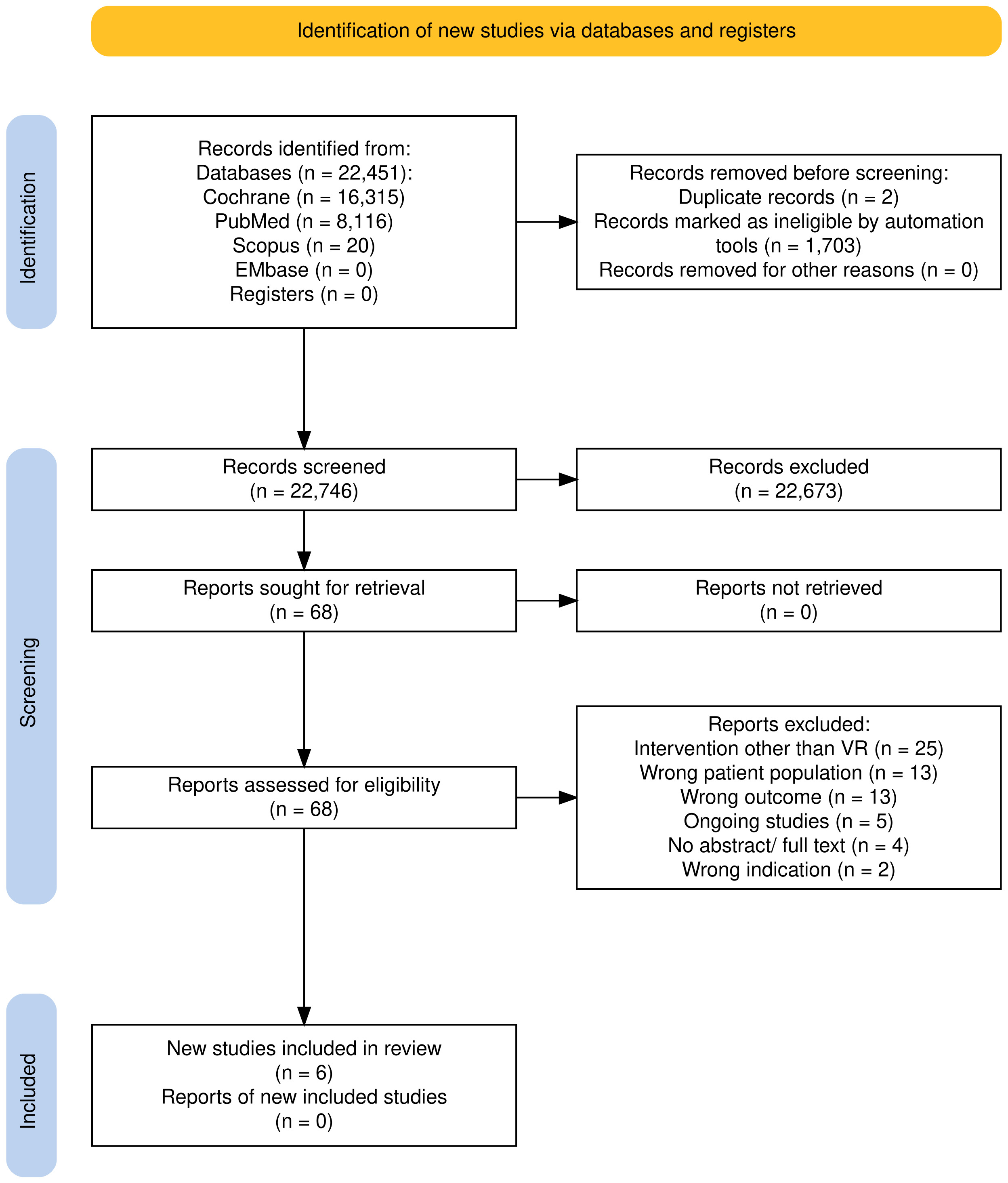
Individuals with high-functioning autism spectrum disorder (HFASD) are those who are at the milder end of the autism spectrum disorder (ASD). Although it may not be apparent, they struggle with social skills and face challenges in real-world social interactions, such as difficulty reading others’ emotions and social cues. The traditional social skills training methods, which focus on face-to-face interventions, often lack of engagement and generalisability. Virtual reality (VR) has emerged as a promising tool for addressing social deficits in these individuals. This systematic review aims to evaluate the effectiveness of VR interventions for social skill training in children and adolescents with HFASD. A thorough search was conducted in PubMed, Cochrane, Scopus and Embase databases to identify the relevant literature. A total of six studies that utilised VR technology for social skills training in high-functioning autism and were published in English were included. These studies met the search criteria. Findings suggest that VR-based interventions show promise in improving social skills, as all studies reported significant improvement in targeted social skills such as social interaction, social cognition and non-verbal communication. In conclusion, despite the promising findings in this review, the relatively small number of eligible studies could not conclusively ascertain the effectiveness of such an approach for social skill training. Further research with rigorous designs and standardised outcome measures is warranted to establish the efficacy and optimal implementation of VR interventions for social skill training in individuals with HFASD.
Keywords :
Autism; high-functioning autism; social skill training; virtual reality,
Correspondance Address
Wan Salwina Wan Ismail. Department of Psychiatry, Faculty of Medicine, Universiti Kebangsaan Malaysia, Jalan Yaacob Latif, Bandar Tun Razak, 56000 Cheras, Kuala Lumpur, Malaysia. Tel: +603 91456142 Email: wan@hctm.ukm.edu.my