References
Al Shoyaib, A., Archie, S.R., Karamyan, V.T. 2019. Intraperitoneal route of drug administration: Should it be used in experimental animal studies? Pharm Res 37(1): 1-17.
Agrawal, N., Dasaradhi, P.V.N., Mohmmed, A., Malhotra, P., Bhatnagar, R.K., Mukherjee, S.K. 2003. RNA interference: Biology, mechanism, and applications. Microbiol Mol Biol Rev 67(4): 657-85.
Armutcu, F., Gürel, A., Hoşnuter, M., Pabuçcu, O., Altinyazar, C. 2004. Caffeic acid phenethyl ester improves oxidative erythrocyte damage in a rat model of thermal injury. J Burn Care Rehabil 25(2): 171-8.
Balaha, M., De Filippis, B., Cataldi, A., Di Giacomo, V. 2021. CAPE and neuroprotection: A review. Biomolecules 11(2): 1-28.
Bankova, V., Dyulgerov, A., S.Popov, Marekov, N. 1986. A GC/MS Study of the propolis phenolic constituents. Z Naturforsch 42c(1987): 147-51.
Barnard, R., Gurevich, K.G. 2005. In vitro bioassay as a predictor of in vivo response. Theor Biol Med Model 2: 3.
Bhattacharyya, A., Chattopadhyay, R., Mitra, S., Crowe, S.E. 2014. Oxidative stress: An essential factor in the pathogenesis of gastrointestinal mucosal diseases. Physiol Rev 94(2): 329-54.
Chen, H.C., Chen, J.H., Chang, C., Shieh, C.J. 2011. Optimization of ultrasound-accelerated synthesis of enzymatic caffeic acid phenethyl ester by response surface methodology. Ultrason Sonochem 18(1): 455-9.
Chen, H.C., Ju, H.Y., Twu, Y.K., Chen, J.H., Chang, C. ming J., Liu, Y.C., Chang, C., Shieh, C.J. 2010. Optimized enzymatic synthesis of caffeic acid phenethyl ester by RSM. N Biotechnol 27(1): 89-93.
Choudhary, P., Tushir, S., Bala, M., Sharma, S., Sangha, M.K., Rani, H., Yewle, N.R., Kumar, P., Singla, D., Chandran, D., Kumar, M., Mekhemar, M. 2023. Exploring the potential of bee-derived antioxidants for maintaining oral hygiene and dental health: A comprehensive review. Antioxidants (Basel) 12(7): 1452
Cordiano, R., Di Gioacchino, M., Mangifesta, R., Panzera, C., Gangemi, S., Minciullo, P. L. 2023. Malondialdehyde as a potential oxidative stress marker for allergy-oriented diseases: An update. Molecules 28(16): 5979.
Deng, L., Du, C., Song, P., Chen, T., Rui, S., Armstrong, D.G., Deng, W. 2021. The role of oxidative stress and antioxidants in diabetic wound healing. Oxid Med Cell Longev 2021(8852759).
Desco, M.C., Asensi, M., Márquez, R., Martínez-Valls, J., Vento, M., Pallardó, F.V., Sastre, J., Viña, J. 2002. Xanthine oxidase is involved in free radical production in type 1 diabetes: Protection by allopurinol. Diabetes 51(4): 1118-24.
Dos Santos, J.S., Monte-Alto-Costa, A. 2013. Caffeic acid phenethyl ester improves burn healing in rats through anti-inflammatory and antioxidant effects. J Burn Care Res 34(6): 682-8.
Dunnill, C., Patton, T., Brennan, J., Barrett, J., Dryden, M., Cooke, J., Leaper, D., Georgopoulos, N. T. 2017. Reactive oxygen species (ROS) and wound healing: the functional role of ROS and emerging ROS-modulating technologies for augmentation of the healing process. Int Wound J 14(1): 89-96.
Fang, R.C., Mustoe, T.A. 2008. Animal models of wound healing: Utility in transgenic mice. J Biomater Sci Polym Ed 19(8): 989-1005.
Fırat, F., Özgül, M., Türköz Uluer, E., Inan, S. 2019. Effects of caffeic acid phenethyl ester (CAPE) on angiogenesis, apoptosis and oxidatıve stress ın various cancer cell lines. Biotechnic Histochem 94(7): 491-7.
Förstermann, U., Xia, N., Li, H. 2017. Roles of vascular oxidative stress and nitric oxide in the pathogenesis of atherosclerosis. Circ Res 120(4): 713-5.
Fukai, T., Ushio-Fukai, M. 2011. Superoxide dismutases: Role in redox signaling, vascular function, and diseases. Antioxid Redox Signal 5(6): 1583-606.
Francesko, A., Petkova, P., Tzanov, T. 2018. Hydrogel dressings for advanced wound management. Curr Med Chem 25(41): 5782-97.
Gurel, A., Armutcu, F., Hosnuter, M., Unalacak, M., Kargi, E., Altinyazar, C. 2004. Caffeic acid phenethyl ester improves oxidative organ damage in rat model of thermal trauma. Physiol Res 53: 675-82.
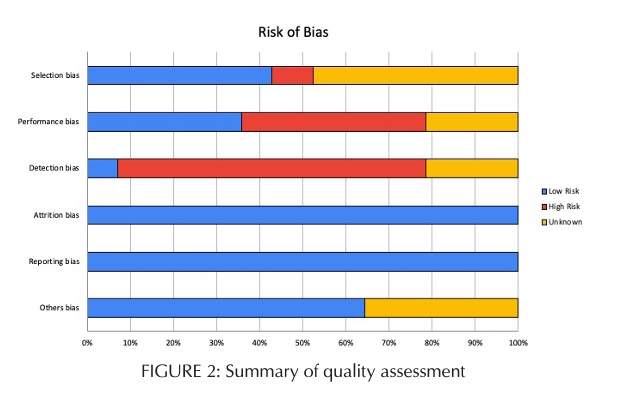
Hooijmans, C.R., Rovers, M.M., Vries, R.B. de, Leenaars, M., Ritskes-Hoitinga, M., Langendam, M.W. 2014. SYRCLE’s risk of bias tool for animal studies. BMC Med Resh Methodol 14: 43.
Hoşnuter, M., Gürel, A., Babucçu, O., Armutcu, F., Kargi, E., Işikdemir, A. 2004. The effect of CAPE on lipid peroxidation and nitric oxide levels in the plasma of rats following thermal injury. Burns 30(2): 121-5.
Hu, M.S., Cheng, J., Borrelli, M.R., Leavitt, T., Walmsley, G.G., Zielins, E.R., Hong, W.X., Cheung, A.T.M., Duscher, D., Maan, Z.N., Irizarry, D.M., Stephan, B., Parsa, F.D., Wan, D. C., Gurtner, G.C., Lorenz, H.P., Longaker, M.T. 2018. An improved humanized mouse model for excisional wound healing using double transgenic mice. Adv Wound Care (New Rochelle) 7(1): 11-7.
Kim, I., Mogford, J.E., Chao, J.D., Mustoe, T.A. 2001. Wound epithelialization deficits in the transforming growth factor-α knockout mouse. Wound Repair Regen 9(5): 386-90.
Kitano, T., Yamada, H., Kida, M., Okada, Y., Saika, S., Yoshida, M. 2017. Impaired healing of a cutaneous wound in an inducible nitric oxide synthase-knockout mouse. Dermatol Res Pract 2017(2184040): 1-11.
Kontas-Askar, T., Altug, M.E., Karapehlivan, M., Atakisi, E., Hismiogullari, A.A. 2009. Is CAPE a therapeutic agent for wound healing? J Anim Vet Adv 8(1): 129-33.
Li, D., Wang, X., Huang, Q., Li, S., Zhou, Y., Li, Z. 2018. Cardioprotection of CAPE-oNO2 against myocardial ischemia/reperfusion induced ROS generation via regulating the SIRT1/eNOS/NF-κB pathway in vivo and in vitro. Redox Biol 15: 62-73.
Monika, P., Rangarajan, M.N.C.A., Waiker, P.V., Murthy, K.N.C. 2022. Challenges in healing wound: Role of complementary and alternative medicine. Front Nutr 2022(8): 791899
Muhammad Abdul Kadar, N.N., Ahmad, F., Teoh, S.L., Yahaya, M.F. 2021. Caffeic acid on metabolic syndrome: A review. Molecules 26(18): 5490
Nair, A.B., Jacob, S. 2016. A simple practice guide for dose conversion between animals and human. J Basic Clin Pharmacy 7(2): 27-31.
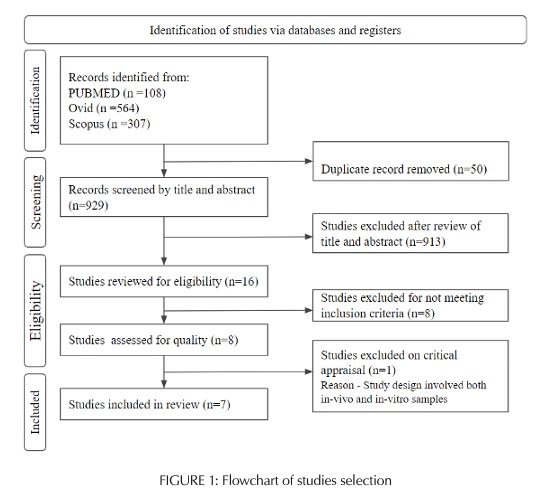
Page, M.J., McKenzie, J.E., Bossuyt, P.M., Boutron, I., Hoffmann, T.C., Mulrow, C.D., Shamseer, L., Tetzlaff, J.M., Akl, E.A., Brennan, S.E., Chou, R., Glanville, J., Grimshaw, J.M., Hróbjartsson, A., Lalu, M.M., Li, T., Loder, E. W., Mayo-Wilson, E., McDonald, S., McGuinness, L.A., Stewart L.A., Thomas J., Tricco A.C., Welch V.A., Whiting P., Moher, D. 2021. The PRISMA 2020 statement: An updated guideline for reporting systematic reviews. BMJ 2021(372): n71.
Parihar, A., Parihar, M. S., Milner, S., Bhat, S. 2008. Oxidative stress and anti-oxidative mobilization in burn injury. Burns 34(1): 6-17.
Reid, R.R., Sull, A.C., Mogford, J.E., Roy, N., Mustoe, T.A. 2004. A novel murine model of cyclical cutaneous ischemia-reperfusion injury. J Sur Res 116(1): 172-80.
Romana-Souza, B., dos Santos, J.S., Monte-Alto-Costa, A. 2018. Caffeic acid phenethyl ester promotes wound healing of mice pressure ulcers affecting NF-κB, NOS2 and NRF2 expression. Life Sci 207: 158-65.
Saitoh, D., Shirani, K.Z., Cioffi, W.G., Kizaki, T., Ohno, H., Okada, Y., Mason, A.D., Pruitt, B.A. 2001. Changes in the tissue and plasma superoxide dismutase (SOD) levels in a burned rat model. Tohoku J Exp Med 193(1): 27-36.
Semis, H.S., Gur, C., Ileriturk, M., Kaynar, O., Kandemir, F.M. 2021. Investigation of the anti-inflammatory effects of caffeic acid phenethyl ester in a model of λ-Carrageenan-induced paw edema in rats. Hum Exp Toxicol 40(12_suppl): S721-38.
Serarslan, G., Altuǧ, E., Kontas, T., Atik, E., Avci, G. 2007. Caffeic acid phenetyl ester accelerates cutaneous wound healing in a rat model and decreases oxidative stress. Clin Exp Dermatol 32(6): 709-15.
Sharma, V., McNeill, J.H. 2009. To scale or not to scale: The principles of dose extrapolation. Br J Pharmacol 157(6): 907-21
Siti, H.N., Kamisah, Y., Kamsiah, J. 2015. The role of oxidative stress, antioxidants and vascular inflammation in cardiovascular disease (a review). Vascul Pharmacol 71: 40-56.
Song, Y.S., Park, E.H., Hur, G.M., Ryu, Y.S., Lee, Y.S., Lee, J.Y., Kim, Y.M., Jin, C. 2002. Caffeic acid phenethyl ester inhibits nitric oxide synthase gene expression and enzyme activity. Cancer Lett 175(1): 53-61.
Sorkin, B.C., Kuszak, A.J., Bloss, G., Fukagawa, N. K., Hoffman, F.A., Jafari, M., Barrett, B., Brown, P. N., Bushman, F.D., Casper, S.J., Chilton, F.H., Coffey, C.S., Ferruzzi, M.G., Hopp, D.C., Kiely, M., Lakens, D., MacMillan, J.B., Meltzer, D.O., Pahor, M., Pauli, G.F. 2020. Improving natural product research translation: From source to clinical trial. FASEB J 34(1): 41-65
Stan, D., Tanase, C., Avram, M., Apetrei, R., Mincu, N.B., Mateescu, A.L., Stan, D. 2021. Wound healing applications of creams and “smart” hydrogels. Exp Dermatol 30(9): 1218-32.
Teke, Z., Bostanci, E.B., Yenisey, C., Kelten, E.C., Sacar, M., Simsek, N.G., Duzcan, S.E., Akoglu, M. 2013. Caffeic acid phenethyl ester prevents detrimental effects of remote ischemia-reperfusion injury on healing of colonic anastomoses. J Invest Surg 26(1): 16-29.
Teke, Z., Bostanci, E.B., Yenisey, C., Kelten, E.C., Sacar, S., Simsek, N.G., Duzcan, S.E., Akoglu, M. 2012. Effects of caffeic acid phenethyl ester on anastomotic healing in secondary peritonitis. J Invest Surg 25(5): 301-10.
Tolba, M.F., Azab, S.S., Khalifa, A.E., Abdel-Rahman, S.Z., Abdel-Naim, A.B. 2013. Caffeic acid phenethyl ester, a promising component of propolis with a plethora of biological activities: A review on its anti-inflammatory, neuroprotective, hepatoprotective, and cardioprotective effects. IUBMB Life 65(8): 699-709.
Wang, G., Yang, F., Zhou, W., Xiao, N., Luo, M., Tang, Z. 2023. The initiation of oxidative stress and therapeutic strategies in wound healing. Biomed. Pharmacother 157: 114004.
Zhao, R., Liang, H., Clarke, E., Jackson, C., Xue, M. 2016. Inflammation in chronic wounds. Int J Mol Sci 17(12): 2085.
Zulkefli, N., Che Zahari, C. N.M., Sayuti, N.H., Kamarudin, A.A., Saad, N., Hamezah, H.S., Bunawan, H., Baharum, S.N., Mediani, A., Ahmed, Q.U., Ismail, A.F.H., Sarian, M.N. 2023. Flavonoids as potential wound-healing molecules: Emphasis on pathways perspective. Int J Mol Sci 24(5): 4607.